








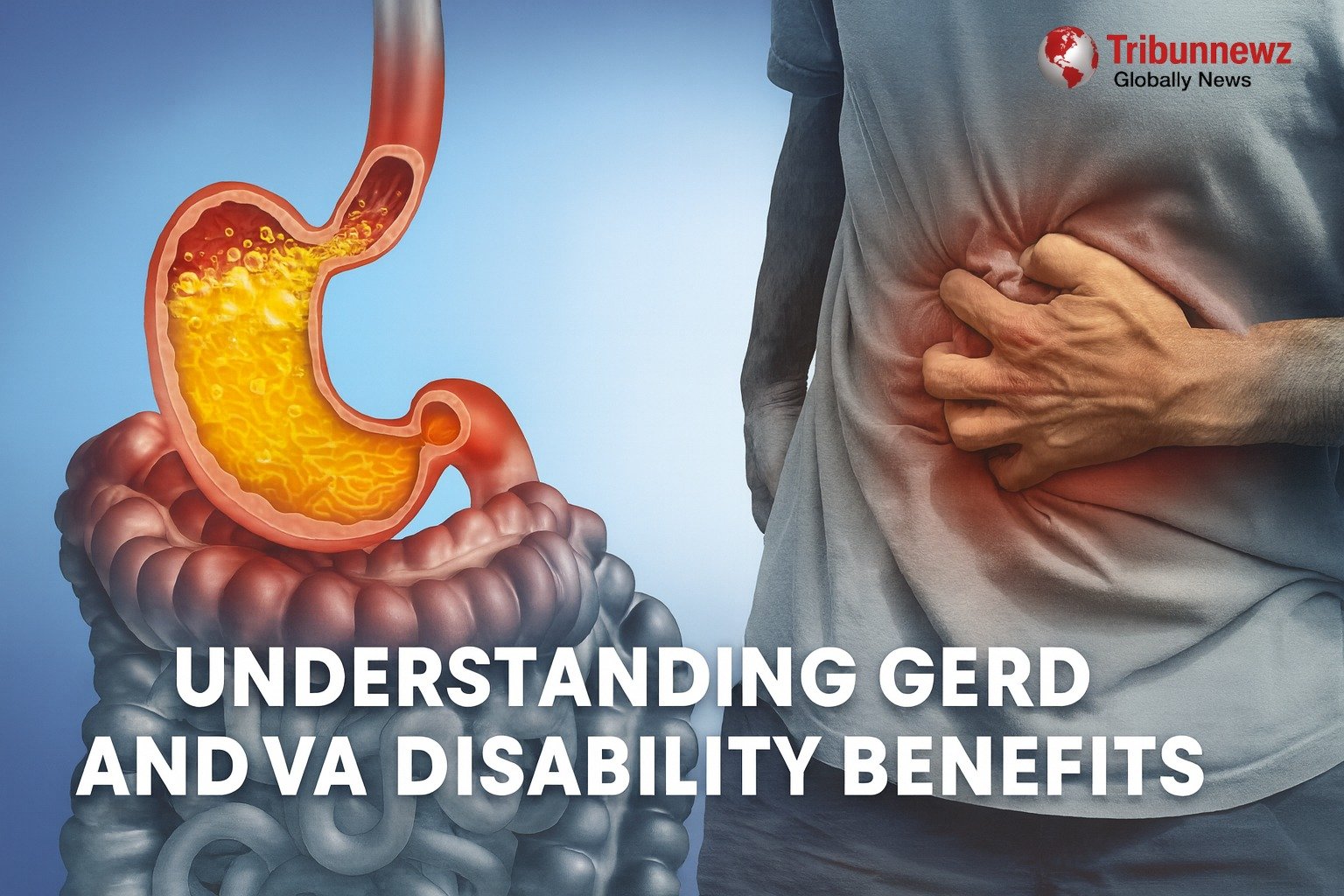
Veterans dealing with GERD VA Disability Benefits know that acid reflux is more than just a burning sensation. It disrupts daily life, sleep, and eating habits—sometimes causing lasting throat damage from stomach acid backup. Many vets develop GERD during active duty or see it worsen due to intense missions, exposure to toxins, or medications for other service-related conditions. Fortunately, the U.S. VA provides compensation to veterans whose GERD is linked to military service. Understanding how the VA evaluates claims, proving service connection, and providing solid medical documentation can significantly increase your chances of receiving fair benefits.
How the VA Rates GERD Under Diagnostic Code 7206
As of May 2024, the VA updated its rating system for digestive issues like GERD under Diagnostic Code (DC) 7206. The previous hiatal hernia code was replaced to focus specifically on measurable damage to the esophagus, such as blockages or difficulty swallowing.
The VA evaluates:
- Frequency of esophagus narrowing
- Severity of swallowing difficulties
- Nutritional impact and need for treatments
Rating levels:
- 80%: Severe, persistent esophageal narrowing causing aspiration, significant weight loss, malnutrition, or need for surgery/feeding tube.
- 50%: Frequent need for dilation, stents, or steroid treatments to maintain swallowing ability.
- 30%: Less frequent treatment or mild swallowing issues.
- 10%: Managed mostly through daily medication.
- 0%: Diagnosed but minimal daily impact and no regular medication use.
Medical documentation—X-rays, scopes, lab results, and treatment history—is critical for proving the severity and qualifying for a higher rating.
Establishing Service Connection for GERD
To receive GERD VA Disability Benefits, veterans must prove that GERD began or worsened due to military service. This involves three main elements:
- A recent GERD diagnosis
- Evidence of service-related events, exposures, or medications
- A physician’s opinion linking the condition to military service
Exposure to toxins, deployment records, or medication for other service-related conditions can serve as evidence. Even secondary conditions like a hiatal hernia can justify a GERD claim if medical documentation shows a service connection.
GERD and the PACT Act: What Veterans Should Know
While the PACT Act expanded benefits for exposure to burn pits and hazardous chemicals, GERD is not automatically covered. However, veterans who can demonstrate that toxic exposure contributed to or worsened GERD may still qualify. Proof remains essential, but a lack of automatic inclusion does not prevent compensation.
Building Strong Evidence for Your GERD Claim
Strong documentation can make or break a GERD VA Disability Benefits claim. Key evidence includes:
- Endoscopy results, barium swallows, biopsies, or scans
- Records of repeated esophagus dilation procedures
- Weight loss, malnutrition, or aspiration incidents
- Medication logs and symptom diaries
A medical statement linking GERD to military service or related conditions significantly strengthens the case.
The VA Claims Process for GERD
Filing a VA claim involves:
- Collecting all medical records
- Submitting an Intent to File to secure your start date
- Completing the full claim application
A Compensation & Pension (C&P) exam usually follows, where a VA doctor evaluates:
- Symptom severity
- Medical history
- Eligibility under DC 7206
Honesty and specificity about difficulties like swallowing, weight loss, disrupted sleep, or frequent treatments improve approval chances.
Pursuing an Increased GERD Rating
If your condition worsens, you can request a higher GERD rating. Updated medical documentation showing severe esophageal narrowing, more frequent flare-ups, or hospital visits strengthens the claim. Specialists’ notes, dietitian reports, or ER records related to acid reflux can be vital. Combined with other service-connected conditions, worsening GERD may even contribute to total disability benefits.
A Veteran’s Story: The Impact of Strong Documentation
One veteran developed severe acid reflux after returning from deployment. Initially manageable with medication, his condition worsened, causing difficulty swallowing, esophagus tightening, and significant weight loss. He submitted detailed records: scans, treatment logs, medication history, and a clear statement linking GERD to service.
The result? The VA approved a top-tier rating, reflecting his daily struggles, enabling more support and reducing repeated doctor visits. This story highlights the importance of meticulous documentation for GERD VA Disability Benefits.
Overcoming Common Challenges in GERD Claims
Veterans often face hurdles such as:
- Missing medical records
- Weak evidence linking GERD to service
- Underreporting symptoms
Experienced VA representatives or attorneys can help compile stronger evidence, ensuring claims are fully considered and accurately rated.
Final Thoughts
Though GERD may seem minor to outsiders, it significantly impacts veterans’ quality of life. Thanks to DC 7206, veterans can pursue fair GERD VA Disability Benefits by providing thorough documentation, linking the condition to service, and clearly explaining daily struggles. Whether triggered during deployment, due to toxic exposure, or secondary to other conditions, veterans deserve compensation reflecting the true impact of GERD.