


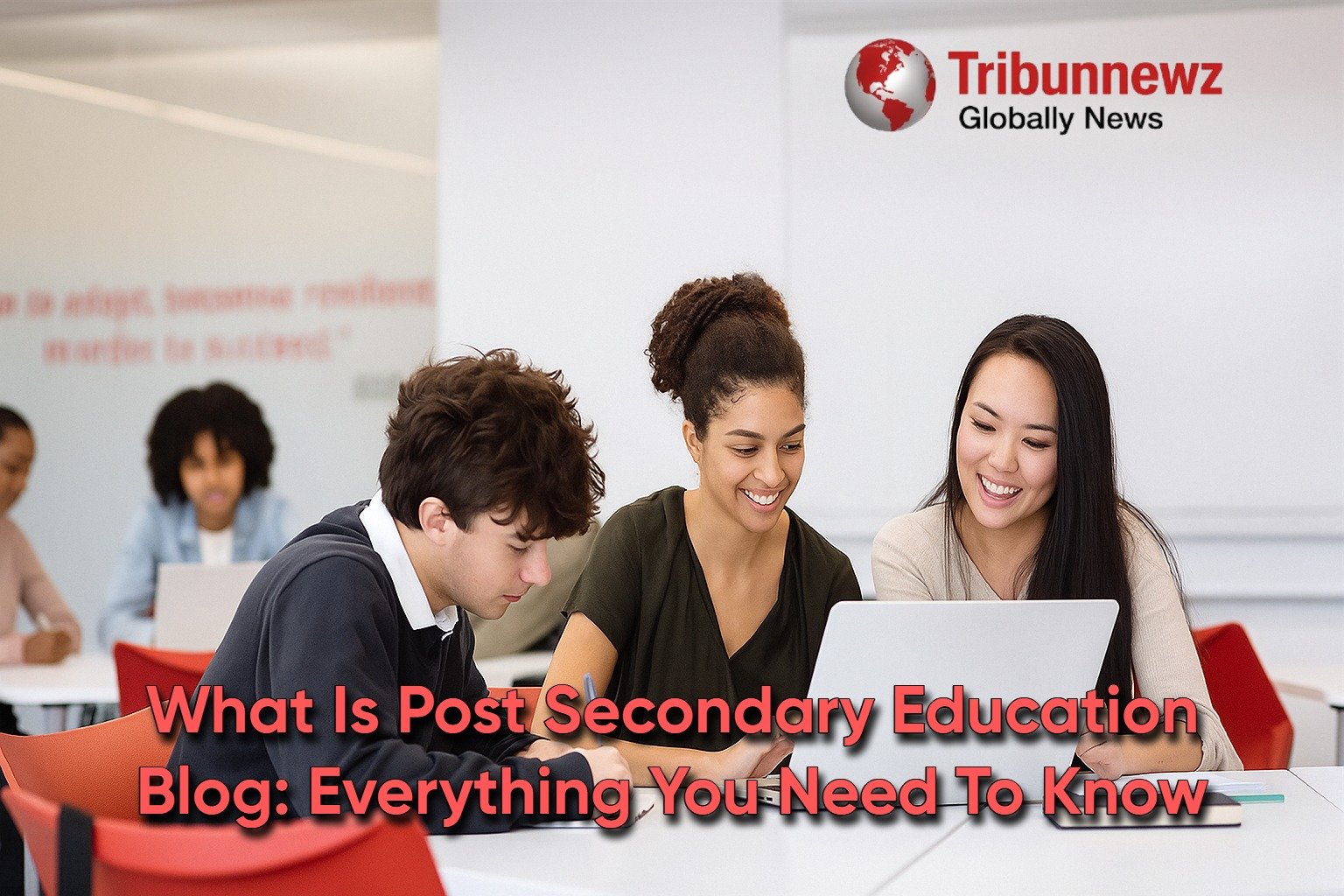
Once you are done with high school, it is the best time to start thinking about your future and setting career goals. This is the phase when a large number of students ask the question, “What is a post-secondary education blog?, and how it could influence their academic and professional paths. It is essential to be aware of post-secondary education, as it provides access to a wide range of opportunities in higher education, career development, and personal growth.
In the present writing, we will explain eаch and every aspect of post-secondary education, its categories, advantages, drawbacks, and advice for easy transition. You will be equipped with a detailed map of your educational journey by the time we finish.
Grasping Post-Secondary Education: An All-Inclusive Guide
The expression secondary education is equal to tertiary education, i.e., all the educational activities that come after receiving a high school diploma or GED certificate. But the mode of education is still very varied, and the educational institutions that offer such education, although in smaller numbers than before, are:
- Universities – Degree programs at both undergraduate and postgraduate are offered.
- Colleges – The two types of training provided are Vocational and Academic.
- Vocational and Technical Schools – These establishments provide students with the necessary tools and certification.
- Conservatories- It is a place where students can learn arts, music, and performance.
- Professional Institutions – These are the places where professionals receive certificates and diplomas in their areas of expertise.
The internet has been the principal cause of the significant growth in the number of online post-secondary students from worldwide locations since it has been highly requested for access.
Types of Post-Secondary Education
Education after secondary school is many and varied.
Among them, the most common ones are two-year and four-year colleges and universities.
- In addition, students attending universities have the option of either changing their major within the school or transferring to the general education department.
- On the other hand, community colleges offer lower tuition fees as compared to universities and are oriented more towards students acquiring practical skills development.
By choosing any of the educational paths, students will undoubtedly be rewarded with the benefits of being educated or having job opportunities, as well as being able to make new friends and grow personally.
Vocational and Technical Schools
Vocational schools teach the students the skills they need for a specific future job and usually involve practical work. There are a few well-known job areas, like:
Technical schools give out associate degrees and certifications within this group, which prepare the graduates for entry-level technical positions in engineering, IT, and healthcare.
Continuing Education Programs
Continuing education programs are the most flexible learning opportunities you can find, and for sure, they are the most desired among adults who would like to develop their skills or advance their careers. These learning programs can include:
- Seminars
- Online courses
- Certification programs
The above-mentioned opportunities are very appropriate for professionals who want to be always on the go with the latest in their fields or to change their careers completely.
Life Skills Programs
Life skills programs are all about dealing with teaching skills that are needed in day-to-day life, such as the control of money, management of the house, and communication with others. People with such backgrounds will find these programs very useful, especially those who may not consider traditional college paths but want to be independent.
Benefits of Post-Secondary Education
The decision for post-secondary education brings a lot of significant benefits:
- Career Opportunities – In case of getting into specialized professions and higher education, the possession of degrees and certifications is a necessity.
- Networking – The university and vocational schools allow students to build relationships with the industry.
- Higher Earnings – One of the factors that usually influences the salary scale is the possession of a degree or diploma; therefore, more money for graduates.
- Personal Growth – The exposure to a variety of people, concepts, and skills promotes one’s personal development.
Challenges of Post-Secondary Education
There is no doubt about the utility of post-secondary education, but students still have to confront some challenges:
- High Competition – It is a very tough competition to get a place in a good university, especially the ones that are among the best.
- Rising Costs – The prices of tuition are usually quite high, but the student will have some help through scholarships, grants, and financial aid.
- Academic Load – A systematic approach and a high level of commitment will be needed to cope with a large amount of study in a university course.
Smooth Transition Step-by-Step Guide
1. Planning
Smooth Transition or Change, whichever way it goes, will be determined mostly by Planning, which is going to be the least stressful thing to do anyway. For instance, the brainstorming could be started by writing the possible career moves you could make, their respective requirements, a nd the locations of the classes you want to take, then the career planning tools would help get the perfect place.
2. Complete Research
The educational options of the institutions involve a variety of factors, from courses, classes, and programs; thus, one has to consider all of these to have the complete picture. Besides looking into the market demand, one can think about the fees, faculty, and campus facilities, either one factor at a time or as a whole.
3. Determine Your Budget
Go over your possible expenses, which include tuition, housing, and other fees, in detail. A financial aid scholarship database will be one of the important sources for you to find scholarships that are based on your qualifications and can be applied for.
4. Create Your Application
You should not only do academic work but also participate in extracurricular activities, volunteering, and writing an admission essay that is not just good but so excellent that the admissions committee has no option but to see you. It is also very crucial to have all the necessary documents organized systematically before.
Final Thoughts: Why Post-Secondary Education Matters
As a last remark, post-secondary education will become the gate pass for professional careers and personal development, even though the positive aspects will always outweigh the negative ones. Education has been the major contributor to increasing the number of people in the world that achieved their dream jobs, personal skills improvement, and higher income. It will be post-secondary education, regardless of the path you choose, be it university, college, vocational, or online learning, that will empower you and equip you with the necessary skills to succeed.
Additionally, once you grasp the various education options along with their advantages and disadvantages and the skills required, you will not only be able to complete your post-secondary education without a hitch but also be able to maximize your learning experience.